


Table of Contents
- Understanding Why Generic Gifts Fall Flat
- How to Choose a Thoughtful Gift Through Active Listening
- The Power of Personalization Over Price
- Custom Gift Giving Etiquette and Relationship Dynamics
- Affordable Personalized Gifts with Free Shipping
- Common Gift-Giving Mistakes to Avoid
- Moving Beyond Physical Items: Experiential and Digital Alternatives
- Conclusion
Understanding Why Generic Gifts Fall Flat
A gift that could have come from anyone isn't really a gift, it's an obligation fulfilled (peer-reviewed research). Generic gifts communicate indifference, even when that's not your intent. The person receiving it knows you didn't think about them specifically. They can feel the difference between something selected because it was on sale and something chosen because it's exactly what they'd appreciate.
This happens more often than people realize. Many gift-givers reach for what's convenient: a candle, a mug, a generic tech gadget. These items are safe. They're unlikely to offend. But safety isn't the same as thoughtfulness. When you give a generic gift, you're essentially saying, "I fulfilled the social expectation of giving you something, but I didn't invest time in understanding what you actually want."
The challenge is that avoiding generic gift giving requires more than good intentions. It requires a framework. You need to know how to listen, what questions to ask, and how to translate what you learn into something meaningful. This guide walks you through that process step by step, showing you how to move beyond the predictable and create gifts that actually matter.
How to Choose a Thoughtful Gift Through Active Listening
The foundation of avoiding generic gift giving is understanding the person you're buying for. This doesn't mean asking them directly what they want, that defeats the purpose of gift-giving. It means paying attention to what they say, do, and value when they're not thinking about gifts at all.

Observe Without Asking Directly
The best information comes from observation. Notice what your recipient talks about repeatedly. If someone mentions a hobby three times in conversation, that's a signal. If they're always adjusting their workspace or mentioning they wish they had something specific, they're telling you what they need.
Pay attention to their living space. What's displayed on their shelves? What's worn out or outdated in their home? Someone with threadbare kitchen towels might appreciate quality linens. Someone whose nightstand is stacked with books clearly values reading time. These details reveal preferences more honestly than any survey could.
Watch how they spend their free time. Do they garden, cook, travel, create art, or spend time with family? Their actual habits, not their stated aspirations, show what would genuinely enhance their life. A person who talks about wanting to exercise but never does won't appreciate expensive gym equipment. Someone who reads voraciously will treasure a first edition of a favorite book.
Ask the Right Questions
When you do ask questions, make them indirect and conversational. Don't say, "What do you want for your birthday?" Instead, weave questions into normal conversation. "What's something you've been wanting to learn?" or "If you had an extra hour each day, what would you do with it?" These questions reveal what matters to them without signaling that you're gathering gift ideas.
Ask about frustrations. "What's been annoying you lately?" can uncover practical problems a thoughtful gift could solve. Someone frustrated by their morning routine might appreciate something that simplifies it. Someone stressed about organization might value a system that brings order to their space.
Listen to what they admire in others. If your recipient says, "I love how organized my sister's kitchen is" or "I wish I had my friend's sense of style," they're telling you what they value. This perspective-taking reveals aspirations without making them feel called out.
The Power of Personalization Over Price
A personalized gift at any price point beats an expensive generic one. Personalization shows intentionality. It says, "I thought about you specifically when I chose this." That message matters far more than the dollar amount spent.
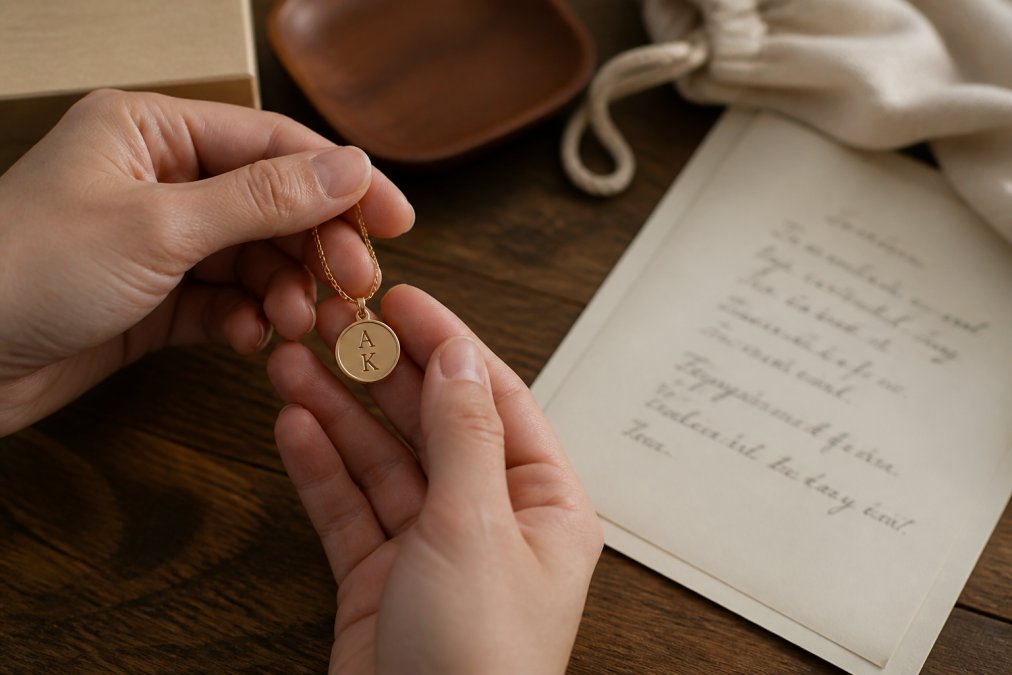
Personalization takes many forms. It could be a custom engraving with initials or a meaningful date. It could be a color chosen specifically because it matches their home aesthetic. It could be a product customized with their name, a family photo, or a meaningful quote. The key is that the customization reflects something you know about them.
This is where CJmart's approach differs from mass-market retailers. Thoughtful personalization requires products designed with customization in mind, not as an afterthought, but as the core feature. A blanket embroidered with a family member's name or a piece of jewelry engraved with coordinates of a meaningful location transforms a standard item into a keepsake.
The psychological impact of personalization is significant (peer-reviewed research). When someone receives something with their name on it, or something customized to their preferences, they feel seen. They understand that you took time to think about what would matter to them. That emotional connection is what makes a gift memorable rather than forgettable.
Price becomes almost irrelevant when personalization is done well. A thoughtfully customized item at a modest price point will be cherished far longer than an expensive generic luxury good (peer-reviewed research). This is the real secret to avoiding generic gift giving: shift your focus from how much you spend to how much thought you invest.
Custom Gift Giving Etiquette and Relationship Dynamics
Gift-giving exists within a social context. Understanding the unspoken rules of gift-giving prevents missteps that can damage relationships or create awkwardness.
Navigating Closeness and Presumption
The level of personalization should match your relationship closeness. A deeply personal custom gift, something engraved with someone's initials or a family photo, works well for immediate family and close friends. For acquaintances or professional relationships, more modest personalization is appropriate.
This is where many gift-givers struggle. You might create a beautiful personalized gift for someone you're not particularly close to, only to have them feel uncomfortable receiving something so intimate. The recipient might wonder if you're overstepping boundaries or making assumptions about a relationship that isn't as close as you think.
The solution is matching personalization to relationship depth. For a sister-in-law you don't see often, a gift with her initial or a shared interest is thoughtful without being presumptuous. For a colleague, a quality item with subtle customization (perhaps a monogram on a professional item) shows respect without crossing into personal territory.
Pay attention to how the person responds to personal gestures generally. Some people love detailed, intimate gifts. Others prefer something more reserved. If someone tends to keep conversations surface-level or maintains professional boundaries, honor that in your gift choice.
Setting Boundaries and Managing Expectations
Gift-giving can create unspoken expectations. If you give an elaborate personalized gift one year, people might expect the same level of effort every year. If you give expensive gifts to some people and not others, it can create hurt feelings.
Set boundaries by being consistent in your approach. If you're giving personalized gifts this year, plan to do so again next year. If budget is a concern, frame personalization as your gift-giving style rather than a one-time splurge. This manages expectations and prevents future awkwardness.
Also manage expectations about what personalization can achieve. A custom gift won't fix a broken relationship or compensate for ongoing neglect. Thoughtful gift-giving is a complement to genuine relationship investment, not a replacement for it. Someone who only hears from you at gift-giving time will recognize that, regardless of how personalized the gift is.
Affordable Personalized Gifts with Free Shipping
You don't need to spend heavily to avoid generic gift giving. Many meaningful personalized options exist at reasonable price points, especially when you factor in free shipping incentives.
Personalized jewelry pieces, necklaces, bracelets, rings with initials or meaningful symbols, offer customization at various price levels. A simple engraved bracelet can be deeply meaningful without straining your budget. Custom drinkware like mugs or tumblers with names or inside jokes provide daily reminders of your thoughtfulness. Personalized blankets or throw pillows add comfort and sentiment to someone's home.
The key is choosing items that fit the recipient's actual lifestyle. Someone who doesn't drink coffee won't appreciate a custom mug, no matter how beautiful it is. Someone who lives in a warm climate won't use a personalized blanket. Match the item to their habits and preferences first, then add personalization.
CJmart offers a curated selection of personalized gifts designed for meaningful occasions. Their approach focuses on items that people actually use and display, not novelty gifts that end up in a drawer. Most products are designed and assembled in the USA, ensuring quality control and supporting small business. Free shipping on orders over $70 makes personalization accessible without hidden costs.
When shopping for affordable personalized gifts, look for items that offer meaningful customization without excessive markups. A personalized item should cost only slightly more than the non-personalized version. If the price jump is dramatic, you're paying for the brand name or novelty, not the personalization itself.
Common Gift-Giving Mistakes to Avoid
Understanding what doesn't work helps you navigate what does. Several patterns undermine even well-intentioned gift-giving efforts.
The biggest mistake is choosing gifts based on what you'd want rather than what the recipient would want. Your preferences aren't universal. Just because you love a particular type of gift doesn't mean everyone does. This is where active listening becomes crucial, you're buying for them, not for yourself.
Another common error is giving consumable gifts without understanding the recipient's preferences. A gift basket of gourmet food sounds thoughtful until you realize the person has dietary restrictions. A luxury candle seems safe until you learn they're sensitive to scents. Generic consumables often miss the mark because they rely on assumptions rather than knowledge.
Timing mistakes also create problems. A personalized gift takes time to produce and ship. Ordering a custom item two days before an occasion and expecting rush shipping defeats the purpose of personalization. Plan ahead. The thoughtfulness of a gift includes the planning and anticipation, not just the final product.
Avoid the trap of gift-giving as obligation-fulfillment. Some people approach gift-giving as a checkbox, find something, wrap it, give it, move on. This mindset produces generic gifts. Instead, approach it as an opportunity to show someone they matter. That shift in perspective changes everything about how you select gifts.
Don't assume you know someone's taste without evidence. Just because someone wears black doesn't mean they want everything in black. Just because someone mentions loving a celebrity doesn't mean they want merchandise featuring that person. Build your gift choice on specific knowledge, not broad assumptions.
Moving Beyond Physical Items: Experiential and Digital Alternatives
Avoiding generic gift giving doesn't always mean buying a physical object. Sometimes the most meaningful gifts are experiences or digital alternatives that create memories rather than possessions.
Experiential gifts, concert tickets, cooking classes, adventure activities, wellness experiences, often create more lasting memories than physical items. These gifts provide time with the recipient (if shared) or meaningful personal growth. They avoid the clutter problem of physical gifts while offering genuine value aligned with the person's interests.
Digital alternatives have expanded significantly. A curated playlist for someone with specific music taste shows thoughtfulness. A subscription to a service they've mentioned wanting to try, a streaming platform, audiobook service, or educational course, demonstrates that you've listened to their interests. Digital gift cards to their favorite retailers offer choice without the generic feeling of a standard gift card.
Memory-based gifts combine physical and experiential elements. A photo book of shared memories, a custom playlist with personal notes about why each song reminds you of them, or a video montage of messages from friends and family creates something uniquely personal that can't be replicated.
The common thread across all meaningful gifts, physical, experiential, or digital, is intentionality. You've chosen something because it reflects who the person is and what they value. The medium matters less than the message behind it.
Meaningful gift-giving starts with genuine attention to the person you're giving to. When you move beyond generic options and invest in understanding what someone actually wants and needs, your gifts become expressions of care rather than social obligations. CJmart's curated selection of personalized jewelry, custom keepsakes, and thoughtfully designed items makes this easier, each product is built for meaningful customization and backed by a 100% satisfaction guarantee. Start by observing what matters to the people you care about, ask questions that reveal their genuine preferences, and choose gifts that reflect that knowledge. That's how you avoid generic gift giving and create gifts that people actually treasure.
Frequently Asked Questions
Q: How can I make a gift feel more personal without spending a fortune?
A: Personalization doesn't require expensive customization. Focus on recipient preferences by selecting items that align with their interests, hobbies, or values. Add a handwritten note explaining why you chose the gift and what it means to you. Consider affordable personalized gifts with free shipping options that offer engraving or custom details. The thoughtfulness behind your selection and presentation matters far more than the price tag.
Q: How do you handle custom gift giving etiquette when you don't know someone well?
A: When custom gift giving etiquette is unclear, choose items that feel warm but not overly intimate. Personalized items like a custom mug or blanket work well for acquaintances because they're practical and friendly without presuming deep closeness. Avoid gifts that feel too personal or assumptive about their preferences. Include a brief note explaining your choice. When in doubt, opt for consumable gifts or experiences that feel less permanent.
Q: What are the signs of a generic or impersonal gift?
A: Generic gifts lack intentionality and show little effort to match the recipient's actual preferences. Signs include: gifts that could work for anyone (mass-produced items with no customization), items the recipient doesn't need or use, gifts that feel obligatory rather than meaningful, and presents wrapped in generic packaging with no personal note. Impersonal gifts often reflect social pressure to give something rather than genuine thoughtfulness about what would bring joy to that specific person.
Q: What are some thoughtful alternatives to physical gifts?
A: Experiential and digital gifts often feel more meaningful than physical items. Consider gifting quality time through shared experiences like concert tickets, cooking classes, or weekend trips. Digital alternatives include curated playlists, online course subscriptions, or charitable donations made in their name. These options reduce gift fatigue, avoid clutter, and create lasting memories. They also demonstrate that you've invested thought into something aligned with their interests rather than selecting something off a shelf.
This article was written using GrandRanker


