


Table of Contents
- Understanding Metal Properties for Personalized Jewelry
- Gold, White Gold, and Rose Gold: Properties and Durability
- Best Jewelry Metals for Sensitive Skin
- How to Tell if Jewelry Is Real Gold or Plated
- Durable Metals for Custom Rings and Everyday Wear
- Alternative Metals: Platinum, Titanium, Tungsten, and Stainless Steel
- Key Factors to Consider When Selecting Your Metal
- Conclusion
Last Updated: August 7, 2026
Understanding Metal Properties for Personalized Jewelry
Choosing personalized jewelry metals requires understanding how different materials behave over time, especially when worn daily or passed down as heirlooms. The metal you select affects how your piece looks today, whether it causes skin reactions, and whether it can be resized or repaired down the road. At CJmart, we help customers navigate these choices by breaking down the real differences between metals so your personalized gift becomes something truly treasured.
Metal properties fall into several categories: hardness, malleability, corrosion resistance, and hypoallergenic qualities. Hardness determines scratch resistance and durability for everyday wear. Malleability measures how easily a metal can be shaped during custom fabrication. Corrosion resistance tells you whether the metal will tarnish, oxidize, or develop patina over time. A softer metal might be easier to customize but less durable; a harder metal might resist scratches but resist resizing.
Understanding these fundamentals helps you match the metal to the intended use. A piece worn occasionally can use softer metals; daily-wear rings need harder alloys. Sensitive skin requires nickel-free options. Budget considerations often come down to whether you're choosing precious metals or alternatives.
Gold, White Gold, and Rose Gold: Properties and Durability
Gold in its pure form is too soft for jewelry and would bend and scratch immediately with normal wear. That's why gold jewelry uses alloys, mixing gold with other metals to increase hardness. The karat system measures gold purity: 24-karat is pure gold, 18-karat is 75% gold, 14-karat is 58.3% gold, and 10-karat is 41.7% gold. For personalized jewelry metals intended for daily wear, 14-karat and 18-karat gold offer the best balance between purity and durability.
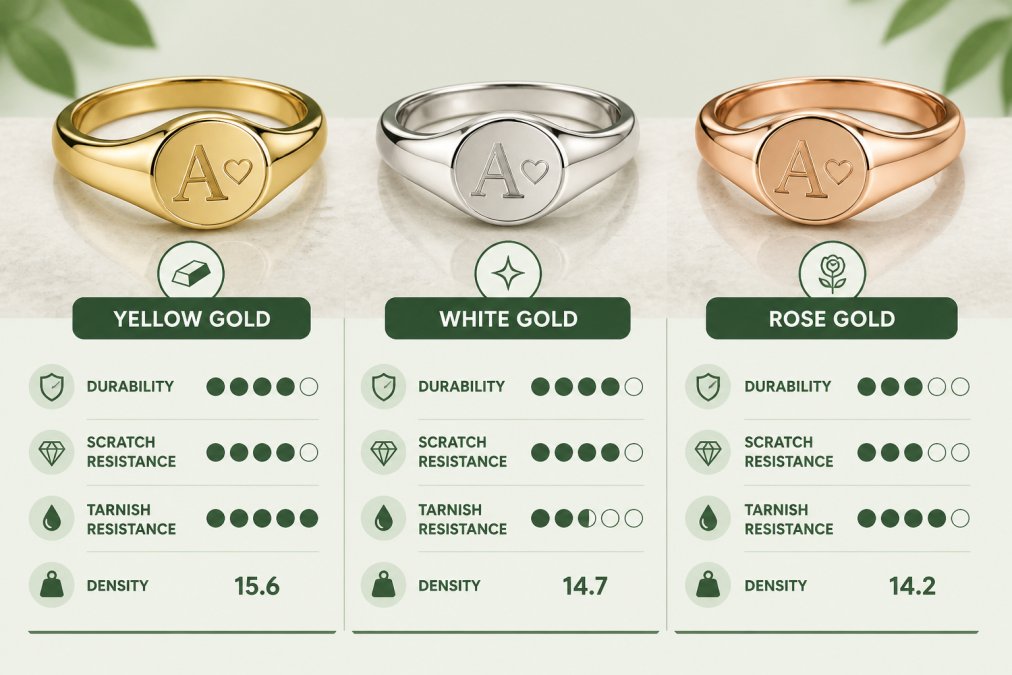
Yellow gold is the classic choice, mixed with copper and sometimes silver. The warm, traditional appearance works with most skin tones and never goes out of style. Yellow gold doesn't require plating and develops a natural patina over decades that many people find beautiful. Resizing and repairs are straightforward because jewelers have centuries of experience working with yellow gold.
White gold is yellow gold mixed with white metals like palladium or nickel, then typically plated with rhodium to enhance the silvery appearance. This plating wears away over time, requiring re-plating every few years depending on wear. White gold offers a modern aesthetic and works well with diamonds and gemstones, though the rhodium plating process adds cost and ongoing maintenance expense.
Rose gold blends gold with copper, creating a pinkish tone increasingly popular in personalized jewelry metals. The copper content makes it slightly harder than yellow gold, improving durability for daily wear. Like yellow gold, it requires no plating and develops a natural patina. The aesthetic appeal is strong, though copper tones can clash with certain complexions.
All three gold varieties tarnish minimally and develop patina naturally. Cleaning with warm soapy water restores shine. The real durability difference comes down to karat: 14-karat gold in any color is more scratch-resistant than 18-karat, though 18-karat shows the gold's true color more clearly.
Best Jewelry Metals for Sensitive Skin
Skin sensitivity to jewelry usually comes from nickel, a common alloy metal used to harden gold and other precious metals. Nickel-free options exist but require careful selection because trace amounts can still cause reactions. True hypoallergenic personalized jewelry metals minimize allergic reactions through composition rather than plating.
Platinum is naturally hypoallergenic because it's extremely pure in jewelry (typically 95% platinum). It doesn't require nickel as an alloy and doesn't cause reactions in people with metal sensitivities. The downside is cost, platinum runs significantly higher than gold.
Surgical stainless steel (316L or higher grades) is hypoallergenic and affordable. It resists corrosion well and doesn't tarnish. The limitation is that it's harder to resize and repair than precious metals. For personalized jewelry metals in the budget-conscious category, 316L stainless steel is a solid choice for sensitive skin.
Titanium is completely hypoallergenic and lightweight, making it comfortable for all-day wear. It's significantly harder than gold, resisting scratches better than most precious metals. Titanium can be anodized to create colors beyond traditional metal tones. The challenge is that few jewelers have expertise in titanium resizing and repair.
Pure gold (18-karat or higher) is hypoallergenic if truly nickel-free. Some jewelers use palladium or silver as alloys instead of nickel. When ordering personalized jewelry metals, explicitly request nickel-free gold and confirm the alloy metals used.
How to Tell if Jewelry Is Real Gold or Plated
Real gold versus plated gold matters for durability and long-term value of personalized jewelry metals. Plated jewelry has a thin layer of gold over a base metal. When the plating wears through with daily wear, the base metal shows, potentially causing skin reactions if the base contains nickel.
Hallmarks are the most reliable indicator. Legitimate gold jewelry is stamped with karat markings: "14K," "18K," "24K," or "750" (75% gold, equivalent to 18-karat). Plated jewelry typically carries marks like "GP" (gold plated), "GF" (gold filled), or "vermeil" (gold plated over sterling silver). If there's no hallmark, the piece is likely plated or not gold at all.
Gold-filled jewelry differs from plated jewelry. Gold-filled has a thicker layer of gold (at least 1/20th the weight) bonded mechanically to a base metal. It's more durable than plating and more affordable than solid gold. For personalized jewelry metals, gold-filled can be a middle ground between plating and solid gold.
Weight and feel provide clues. Real gold is dense and feels substantial. Plated jewelry often feels lighter because the base metal underneath is less dense. Combined with hallmark checking, this helps confirm authenticity.
If you're ordering personalized jewelry metals and authenticity matters, request a certificate of authenticity or ask the jeweler about testing. Reputable makers are transparent about metal composition and can provide documentation.
Durable Metals for Custom Rings and Everyday Wear
Custom rings face unique durability demands because they're worn constantly and encounter daily friction. The metal choice directly affects how long the ring lasts before needing repair.
Platinum is the most durable option for custom rings. It's denser and harder than gold, resisting scratches and dents far better. Platinum doesn't require plating or replating. The trade-off is cost and weight; platinum rings are heavier and significantly more expensive. For someone planning to wear a ring every day for decades, platinum's durability justifies the investment.
14-karat gold is the practical choice for durable custom rings. It's harder than 18-karat gold due to higher alloy content, resisting scratches and maintaining appearance through years of wear. Most custom ring makers recommend 14-karat for daily wear.
Tungsten carbide is extremely hard, harder than gold or platinum. It resists scratching remarkably well and maintains polish longer than precious metals. The downside is that tungsten cannot be resized. If a custom ring in tungsten needs adjustment, it must be replaced entirely, making it problematic for heirloom pieces.
Palladium is a white precious metal similar to platinum but lighter and more affordable. It's hypoallergenic, durable, and requires no plating. Palladium works well for custom rings, though it's less common than platinum or gold.
For durable personalized jewelry metals in custom rings, the hierarchy is: platinum (best durability, highest cost), 14-karat gold (excellent durability, moderate cost), palladium (good durability, moderate cost), then tungsten (best scratch resistance but not resizable).
Alternative Metals: Platinum, Titanium, Tungsten, and Stainless Steel
Beyond traditional gold, several metals offer distinct advantages for personalized jewelry metals depending on priorities.
Platinum is a precious metal with density nearly twice that of gold. It's naturally white (no plating needed), hypoallergenic, and extremely durable. Platinum develops a natural patina that many people prefer to polished finish. The primary drawback is cost; platinum typically runs 2-3 times the price of gold.
Titanium is a modern choice gaining popularity for personalized jewelry metals. It's lightweight (about 45% the weight of gold), hypoallergenic, and extremely strong. Titanium can be anodized to create colors beyond traditional metals. The challenge is that few traditional jewelers work with titanium, limiting custom options and making repairs difficult.
Tungsten carbide is an industrial metal increasingly used in jewelry. It's harder than any other metal listed here and resists scratching almost completely. Tungsten is affordable compared to precious metals. The critical limitation: tungsten cannot be resized or repaired in traditional ways, making it unsuitable for heirloom pieces.
Stainless steel (specifically 316L grade) is durable, affordable, and hypoallergenic for most people. It resists corrosion and tarnishing, and is harder than gold, resisting scratches better. The trade-off is that it's harder to work with for custom fabrication and resizing is more difficult than with precious metals.
These alternative metals work well when the intended use matches their properties. A person wanting a lightweight, hypoallergenic bracelet might choose titanium. Someone needing an affordable, durable ring for a physically demanding job might choose stainless steel.
Key Factors to Consider When Selecting Your Metal
Choosing personalized jewelry metals requires evaluating several practical factors beyond aesthetics. Each factor eliminates or favors certain metals.
Lifestyle and daily activities are the first filter. Someone working in a physical job needs harder metals like platinum, 14-karat gold, or tungsten. Someone in an office can wear softer 18-karat gold or even plated jewelry. Someone with sensitive skin must avoid nickel-containing alloys. A person who swims or showers frequently needs corrosion-resistant metals like stainless steel or titanium.
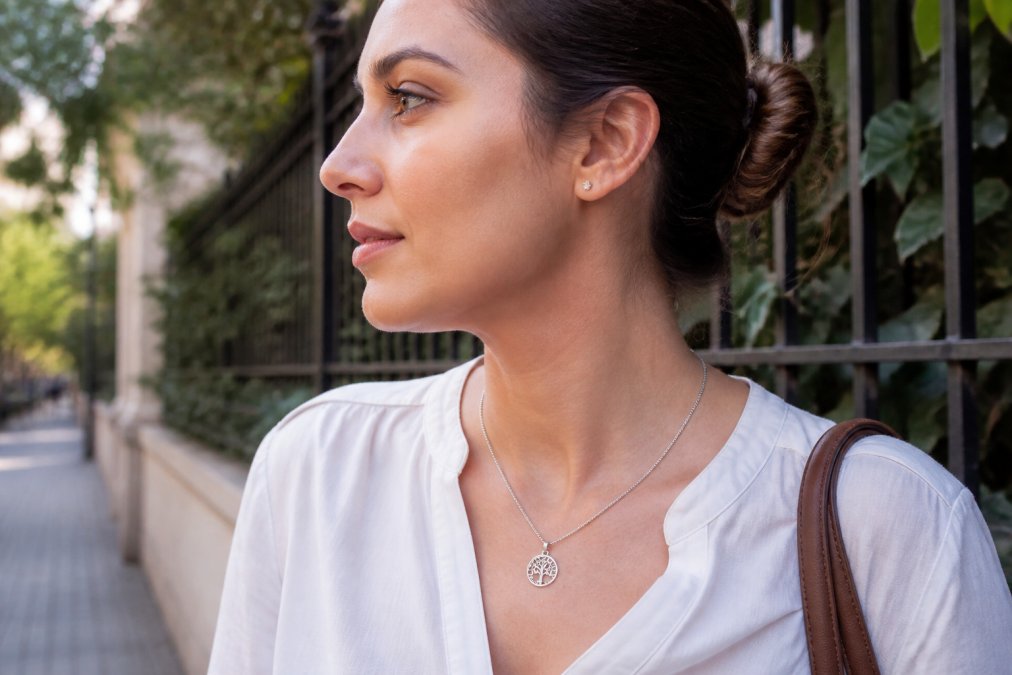
Skin tone compatibility affects how personalized jewelry metals look. Yellow gold complements warm undertones and olive skin. White gold or platinum works well with cool undertones and fair skin. Rose gold bridges the gap and works with most skin tones. Trying on samples before ordering custom pieces helps confirm the right choice.
Maintenance expectations vary dramatically by metal. Yellow and rose gold require only occasional cleaning. White gold requires re-plating every few years. Sterling silver tarnishes and needs regular polishing. Stainless steel and titanium need minimal maintenance. Understanding the long-term care commitment matters.
Resizing and repair possibilities should influence the choice. Precious metals (gold, platinum, palladium) can be resized relatively easily. Tungsten cannot be resized. Titanium is difficult to resize. If the piece might need future adjustment, precious metals are safer bets.
Budget constraints often determine the metal. Platinum costs the most, followed by gold (with 18-karat higher than 14-karat). Palladium and white gold are mid-range. Stainless steel and titanium are affordable. Understanding the full cost of ownership, including maintenance like re-plating, helps with accurate budgeting.
Hypoallergenic requirements eliminate certain options. Nickel-containing alloys are out for sensitive skin. Platinum, high-karat nickel-free gold, titanium, and stainless steel 316L remain viable.
Aesthetic preferences matter. Some people love the traditional look of yellow gold. Others prefer the modern appearance of white gold or platinum. Rose gold appeals to those wanting warmth with contemporary style. Titanium enables color customization. Choosing an aesthetic you'll love for years matters more than following trends.
A practical approach is ranking these factors by importance for the specific wearer. Someone prioritizing durability and minimal maintenance might choose platinum or 14-karat yellow gold. Someone with severe allergies and a limited budget might choose stainless steel 316L. Someone wanting a lightweight, hypoallergenic option might choose titanium despite resizing limitations.
Conclusion
Selecting the right metal for personalized jewelry is fundamentally about matching material properties to how the piece will actually be worn and cared for. The choice between gold, platinum, titanium, and alternatives isn't about which is objectively "best"; it's about which metal serves the wearer's lifestyle, skin sensitivity, budget, and maintenance tolerance.
CJmart understands that personalized gifts carry emotional weight, and the metal choice affects whether that gift becomes a treasured keepsake or a source of frustration. Our team helps you navigate these decisions by explaining the real differences in durability, maintenance, and long-term value. With our 100% customer satisfaction guarantee and USA-based craftsmanship, your personalized piece is built to last and backed by our commitment to quality. Shop Now to explore personalized jewelry options in the metal that's right for your story.
Frequently Asked Questions
What is the difference between gold-filled and gold-plated jewelry?
Gold-plated jewelry has a thin layer of gold bonded to a base metal, typically lasting 1-3 years with normal wear before the plating wears away. Gold-filled jewelry contains a much thicker layer of gold (at least 1/20 of the item's weight), making it more durable and longer-lasting, often 10+ years. For personalized jewelry you want to keep forever, gold-filled or solid gold is the better choice since it won't expose base metal underneath as it ages.
Which jewelry metal is most durable for everyday wear?
Platinum, titanium, and tungsten carbide are the most durable metals for daily wear due to their high tensile strength and scratch resistance. Platinum is the most precious option and won't tarnish or require rhodium replating. Titanium and tungsten are more affordable and extremely hard on the Mohs scale. Solid gold (14K or higher) and stainless steel are also durable choices, though they scratch more easily than platinum or tungsten.
What metals should you avoid if you have sensitive skin?
Avoid nickel-containing alloys, which cause allergic reactions in many people. Nickel is often used in base metals and some lower-karat gold alloys. Choose nickel-free options like platinum, titanium, stainless steel (surgical grade), or high-karat gold (14K or 18K). If you have known metal sensitivities, hypoallergenic metals like platinum or titanium are your safest bets, as they resist oxidation and don't cause skin irritation.
How does metal choice affect the price of personalized jewelry?
Precious metals like platinum and 18K gold cost significantly more than 14K gold, sterling silver, or alternative metals like titanium and stainless steel. The purity level (karat for gold) directly impacts price, higher karat means more pure gold and higher cost. Custom fabrication and resizing also add to the final price. For personalized pieces, consider your lifestyle and how long you want to keep the item; investing in durable, higher-karat metals may cost more upfront but lasts longer and requires less maintenance.
This article was written using GrandRanker


