


Table of Contents
- Why Personalization Matters: The Psychology of Thoughtful Giving
- The Core Principles of Personalization That Elevates Any Gift
- Choosing High-Quality Materials for Lasting Impact
- How to Wrap Gifts to Look Expensive and Intentional
- Meaningful Gift Presentation Ideas That Show You Care
- Affordable Personalized Gifts With Free Shipping: Maximizing Value
- Common Personalization Mistakes to Avoid
- Conclusion
Last Updated: August 28, 2026
Why Personalization Matters: The Psychology of Thoughtful Giving
The difference between a gift someone keeps forever and one that ends up in a donation pile comes down to intentionality. When you personalize a gift, you're sending a message that says "I thought about who you are, not just what I could buy." A personalized gift signals that you invested mental effort, not just money. Recipients can sense the difference: a mass-produced item with your name slapped on it reads as cheap and impersonal, while a carefully curated gift with meaningful touches reads as luxurious, regardless of actual price.
People remember how gifts make them feel, not the receipt. A bespoke-looking gift that took thoughtfulness to assemble creates an emotional connection that separates a displayed gift from a forgotten one.
The Core Principles of Personalization That Elevates Any Gift
Personalizing a gift without it looking cheap hinges on three core principles: intentionality in selection, quality in execution, and restraint in design. Most people fail because they try to do too much, cramming every possible customization into a single item. Less is always more.
Principle 1: Match the personalization to the person. The most meaningful personalization reflects something specific about the recipient, their values, style, a shared memory, or a milestone. Generic personalization ("Happy Birthday!") looks cheap because it could apply to anyone. Specific personalization ("The year we met") looks thoughtful because it's unique to them.
Principle 2: Choose one focal point for customization. A monogrammed necklace. An engraved date on a bracelet. A custom photo on a blanket. Pick one element to personalize and execute it beautifully. Adding five different personalized touches to a single gift makes it look cluttered and amateur.
Principle 3: Invest in the base item. You can't personalize cheap materials and expect luxury results. A personalized item printed on thin fabric looks cheap; the same design on premium linen looks intentional. The personalization amplifies whatever quality level you start with.
Principle 4: Embrace negative space and minimalism. Luxury design is defined by what's left out, not what's crammed in. A single monogram on a leather journal looks sophisticated; the same journal covered in decorative elements looks tacky. Bespoke design means restraint.
Choosing High-Quality Materials for Lasting Impact
The material you choose determines whether your personalized gift looks premium or budget-store. A personalized item on poor-quality material will always read as cheap, no matter how beautiful the customization.
Consider what the item will endure. A personalized gift meant to be displayed or worn needs materials that age gracefully. Natural fibers like linen, cotton, and leather develop character over time (peer-reviewed research). Metals like sterling silver and solid brass develop patina (peer-reviewed research). These materials signal quality because they improve with age rather than deteriorate.
Avoid synthetic materials when possible. Acrylic, polyester, and cheap plastics immediately signal "budget gift." For personalized jewelry, solid metals matter: sterling silver, gold-filled, or solid gold all look and feel luxurious. Plated metals wear away quickly, exposing cheaper base metals underneath (nist.gov). For personalized home goods, look for natural fibers and substantial weight. A heavy, high-thread-count cotton blanket with a personalized monogram feels like a keepsake; a thin polyester blanket feels disposable.
Texture also communicates quality. Smooth, refined finishes on metals and ceramics suggest care in production. When choosing items to personalize, run your hands over them. Does the material feel substantial? Does the finish feel refined? Consider the longevity of the personalization itself. Engraving on metal is permanent and elegant. Screen printing on fabric fades. Embroidery on fabric looks handcrafted and expensive. The method of personalization should match the quality of the base material.
How to Wrap Gifts to Look Expensive and Intentional
Presentation transforms perception. A quality item wrapped carelessly looks thrown together; the same item wrapped with intention looks like a luxury purchase.
Start with quality wrapping materials. Kraft paper, linen, or specialty papers signal intentionality. Avoid thin, shiny wrapping paper that tears easily. Heavy, textured papers communicate care. The wrapping technique matters as much as the materials. Clean, tight folds look professional; loose, wrinkled wrapping looks careless. Use minimal tape, hidden on the underside.
Minimize embellishment but make it count. A single natural element, a sprig of eucalyptus, a piece of twine, a dried flower, looks curated. Multiple bows and ribbons look cluttered. A high-quality kraft ribbon tied simply looks more expensive than cheap ribbon piled on.
Consider the unboxing experience. If your personalized gift comes in a box, remove any generic shipping labels or brand markings. Wrap the box itself with care. Include a handwritten note card, not printed. This small touch signals that you spent time on the gift.
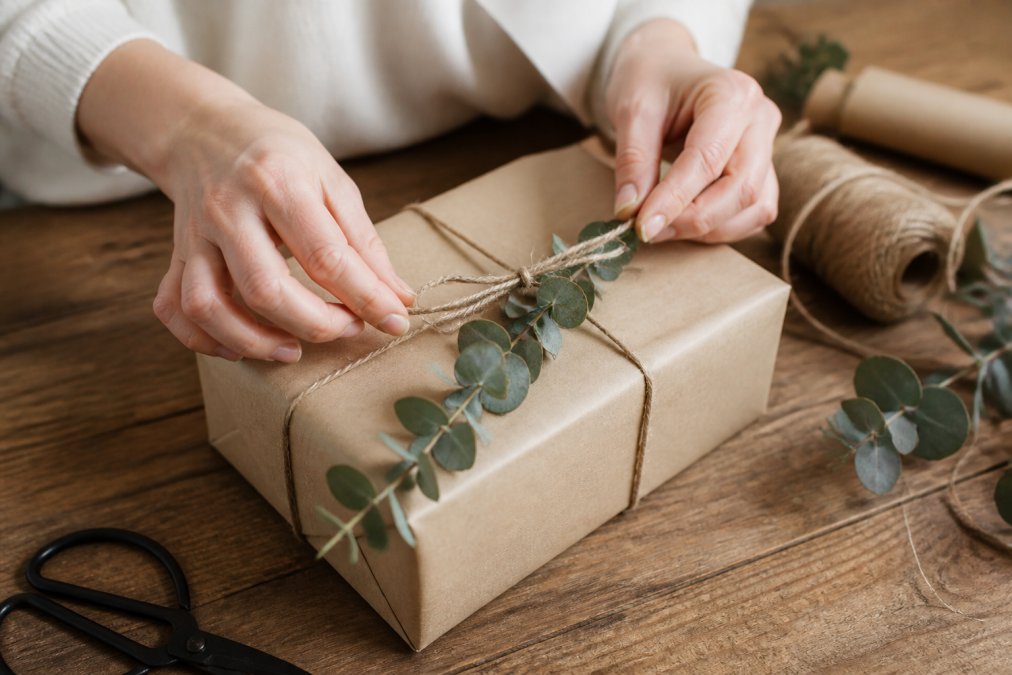
Color coordination elevates the entire presentation. If your wrapping is neutral, choose a ribbon or accent in a complementary tone. Monochromatic or analogous color schemes look intentional. The weight of the wrapped gift also communicates value. Heavy, substantial gifts feel more valuable than light ones.
Meaningful Gift Presentation Ideas That Show You Care
Beyond wrapping, the way you present a personalized gift sets the tone for how it will be received and cherished.
Display-ready presentation. If your personalized gift is meant to be displayed, present it in a way that's ready to go on a shelf or wall. Include mounting hardware if needed. Choose a presentation box that's attractive enough to keep.
Contextual storytelling. Include a handwritten note explaining why you chose this specific personalization. "I chose this date because it's the day we met" or "I picked this engraving because it's your favorite quote." This context transforms the gift into a meaningful keepsake.
Sensory presentation. Engage multiple senses in the unboxing experience. Quality tissue paper that feels soft. A subtle scent if appropriate. The sound of opening a well-constructed box. These details communicate that you thought about the whole experience.
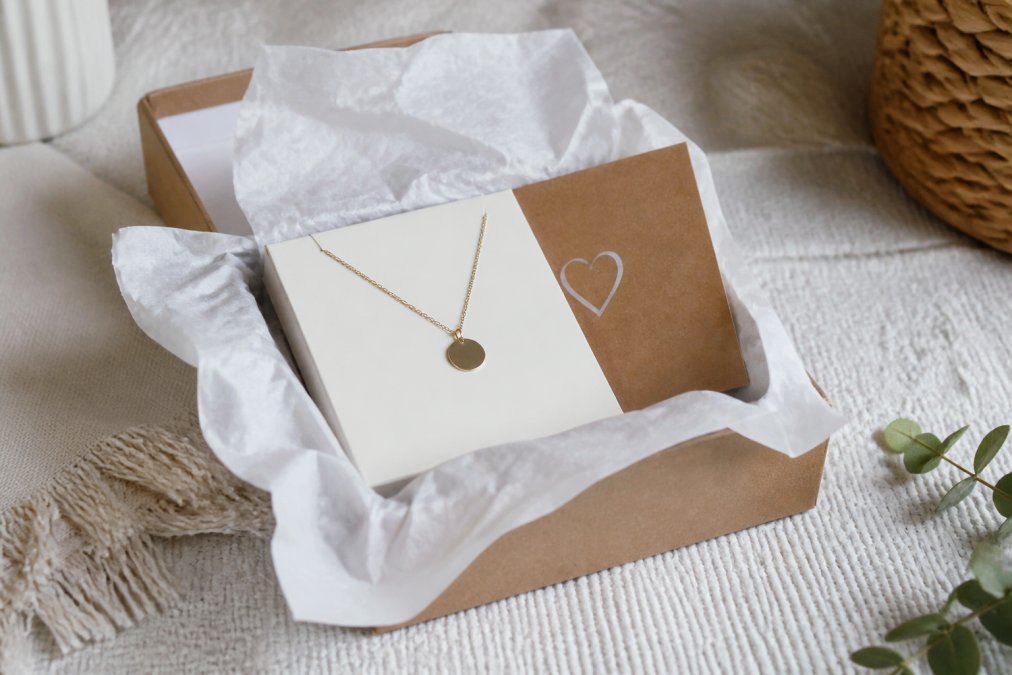
Occasion-specific touches. Tailor the presentation to the occasion. For a birthday, include a candle or small treat. For an anniversary, include a photo from that year. For a milestone, include a note about what that milestone means.
Keepsake-quality packaging. Use a presentation box or wrapping that's beautiful enough to keep. Kraft boxes with minimalist design, vintage-style boxes, or custom branded boxes all signal that this is a keepsake, not just a purchase.
Affordable Personalized Gifts With Free Shipping: Maximizing Value
Finding affordable personalized gifts that don't look cheap requires understanding the difference between low price and low value. A reasonably-priced item with high-quality personalization and presentation can feel luxurious.
Focus on items with high perceived value relative to their actual cost. Personalized jewelry has significant perceived value because it's wearable and intimate. A personalized necklace or bracelet with quality materials and thoughtful design reads as expensive, even at moderate price points. Personalized home goods, blankets, pillows, drinkware, also offer good value when made from quality materials.
CJmart offers personalized items that balance quality and affordability. Most products are designed and assembled in the USA. Free shipping on orders over $70 means you can build a gift that feels curated without paying shipping fees that inflate the total cost.
When shopping for affordable personalized gifts, look for items that have clean, minimalist designs, use natural materials or quality metals, offer simple elegant personalization options, come with quality packaging, and are items the recipient will actually use or display. Avoid items that rely on personalization to have value. Choose items that are valuable on their own, then add personalization that enhances them.
Common Personalization Mistakes to Avoid
The gap between a personalized gift that looks expensive and one that looks cheap often comes down to execution.
Mistake 1: Too much personalization. Adding your recipient's full name, a date, a quote, and a monogram all to one item creates visual clutter. Choose one focal point and execute it beautifully.
Mistake 2: Cheap personalization methods. Screen printing that cracks after a few washes. Heat transfer that peels. Thin embroidery that unravels. Invest in quality personalization: engraving, embroidery, or printing on quality materials that will last.
Mistake 3: Personalizing the wrong item. Don't personalize something the recipient doesn't want or need. Choose items aligned with their lifestyle and interests first, then personalize them.
Mistake 4: Generic personalization. "Happy Birthday" looks mass-produced. Specific personalization, a name, date, inside joke, looks intentional.
Mistake 5: Mismatched aesthetics. Personalizing a minimalist item with ornate lettering. Adding a delicate monogram to a rustic item. Personalization should match the style of the base item.
Mistake 6: Poor presentation. A quality personalized item wrapped carelessly looks like you didn't care about the final result. Invest as much in how you present the gift as you did in personalizing it.
Mistake 7: Ignoring longevity. Choosing personalization that will fade, crack, or wear away quickly undermines the gift's value as a keepsake. Permanent personalization methods signal that this is meant to last.
Mistake 8: Personalizing low-quality bases. No amount of beautiful personalization fixes a cheap foundation. Quality materials are non-negotiable.
Personalizing a gift without it looking cheap comes down to one principle: intentionality beats budget. Choose quality materials, execute personalization with restraint, and present your gift with care. When you invest thought into every detail, from material selection to wrapping to the handwritten note, the recipient feels that investment.
CJmart offers personalized jewelry and custom home goods designed specifically for this purpose. With most products designed and assembled in the USA and free shipping on orders over $70, you can create a thoughtful, quality gift that feels curated and intentional. Shop now to find the perfect item to personalize for someone you care about.
Frequently Asked Questions
Q: How do you personalize a gift without it looking tacky?
A: Focus on restraint and intentionality. Choose one meaningful element, a monogram, engraving, or custom detail, rather than covering the entire item with text or graphics. Select premium materials like brushed metals or quality fabrics, and keep the design aesthetic minimalist and sophisticated. Avoid bright neon colors, cheap-looking fonts, or overcrowded layouts. The goal is to make personalization feel like a deliberate design choice, not an afterthought.
Q: What materials make a personalized gift look higher quality?
A: Natural and durable materials elevate perceived value significantly. Consider brushed stainless steel, solid wood, genuine leather, high-quality ceramics, and natural fibers like linen or cotton. Avoid plastic, thin metals, and synthetic materials that feel flimsy. Matte finishes typically appear more sophisticated than shiny ones. When personalization involves engraving or embossing, these techniques on quality materials create a keepsake-worthy appearance that feels intentional and premium.
Q: How does packaging affect the perceived value of a gift?
A: Packaging is often the first impression and sets the tone for how the recipient perceives the entire gift. Quality wrapping paper, minimalist design, natural textures like kraft paper or linen, and thoughtful touches like a handwritten note or ribbon elevate the unboxing experience. The presentation communicates that you invested time and care into the gift. Simple, refined packaging, avoiding excessive decoration, tends to feel more luxurious than busy, colorful designs.
Q: What are some unique personalized gift ideas that look expensive?
A: Engraved items like leather journals, wooden boxes, or stainless steel drinkware feel premium and lasting. Custom jewelry with initials or birthdates, personalized photo frames in quality materials, monogrammed blankets or pillows, and engraved home décor pieces all convey thoughtfulness and sentimental value. Handcrafted or artisan-made items, even at modest price points, often appear more valuable than mass-produced alternatives because they feel bespoke and intentional.
This article was written using GrandRanker


